Open Shelving in the Kitchen: Pros, Cons, and Styling Tips
Open shelving has become a notable option in kitchen design, offering an alternative to traditional upper cabinetry. Instead of concealing storage behind solid doors, open shelves leave dishes, glassware, and pantry staples visible within the living space. This approach appeals to homeowners who value quick access and an airy visual atmosphere in the kitchen.
Deciding whether to install open shelving goes beyond appearance. Practical concerns such as dust accumulation, the weight that shelves can carry, and the level of organization required all play a role. Each kitchen has its own cooking routines, storage demands, and architectural constraints, which means the suitability of open shelving varies from one household to another.
This article examines the functional and aesthetic factors associated with open kitchen shelving. It covers maintenance expectations, structural support, organizational strategies, and material options. For those planning a kitchen update, discussions with renovation professionals such as Ironwood Renovations can include an evaluation of storage preferences and structural conditions.
The Benefits and Drawbacks of Visible Storage
Open shelving serves a dual purpose in the kitchen: it provides accessible storage for everyday items and creates a surface for objects that contribute to the room’s character. Frequently used plates, cups, and cooking tools remain within sight, which can make meal preparation more efficient. For households that prefer a minimalist look, the absence of large cabinet fronts can make the space feel larger and less enclosed.
The drawbacks are equally practical. Exposed items accumulate dust and airborne grease more quickly than items behind cabinet doors. There is also no option to hide cluttered or mismatched objects, so the contents become part of the kitchen’s permanent visual landscape. This visibility requires a consistent approach to arrangement and may not suit households that prefer to conceal everyday mess.
The decision between open and closed storage is therefore not a matter of one being universally superior. It depends on factors such as cooking frequency, the amount of available storage, aesthetic preferences, and the willingness to maintain an orderly display. A balanced assessment of these factors helps determine whether open shelving is a fitting choice for a given kitchen.
Open shelving is neither an inherently better nor worse storage choice than closed cabinetry; its value depends on the specific conditions of the kitchen and the habits of those who use it.
Managing Dust and Everyday Maintenance
Dust accumulation is one of the most commonly raised concerns about open shelving. In a kitchen, dust often mixes with grease and moisture released during cooking, forming a film that settles on shelf surfaces and stored items. The speed of buildup depends on cooking habits, ventilation, and the location of the shelves relative to the stove and sink.
Regular cleaning routines vary among households. Some wipe shelves weekly, while others adjust the frequency based on visible residue or seasonal factors. Smooth, non-porous finishes such as sealed wood, glass, or powder-coated metal are generally easier to keep clean than unfinished or heavily textured surfaces. The items themselves may also require periodic washing, especially if they remain in place for extended periods.
The positioning of open shelves influences exposure to residue. Shelves near cooking or cleaning areas tend to require more frequent attention. Some households reserve open shelving for sections of the kitchen with lower exposure and keep closed cabinets for areas directly above the stove or sink. This hybrid approach combines the visual benefits of open storage with reduced maintenance in high-exposure zones.
Load Capacity and Structural Support
Every open shelf has a load limit determined by its material, thickness, mounting hardware, and the wall structure behind it. Kitchen shelves often hold heavier objects than they appear to support, such as ceramic dish stacks, cast-iron pans, or large mixing bowls. Understanding these variables is essential for maintaining safe and durable shelving.
Wall construction is the starting point for assessing support. Shelves anchored to wall studs provide the greatest strength, while drywall anchors offer moderate support for lighter loads. The spacing of the shelves and brackets also matters, as wider spans increase bending forces on the shelf board. A renovation specialist can evaluate the wall and suggest appropriate mounting options.
Shelf materials differ in their load-bearing behavior. Solid hardwoods and thick metal pieces typically resist sagging better than particleboard or thin acrylic. Over time, heavier loads can cause visible deflection or loosening of brackets. Placing weighty items on lower shelves or directly above bracket positions tends to reduce stress on the shelf span. Considering these factors before installation can help avoid structural issues later.
Organizing Items for Order and Access
A coherent shelving arrangement begins with assigning a function to each shelf. Grouping items by category, such as everyday dinnerware, glassware, and dry goods, creates a logical structure that supports both visual order and efficient access. Clear categories also make it easier to return items to their designated spots.
Frequency of use is a practical guide for vertical placement. Objects used daily are often positioned within comfortable reach, while occasional items can occupy higher or lower shelves. This reduces unnecessary stretching and searching, and it allows less accessible areas to hold pieces that do not need frequent retrieval.
Leaving open space between items is a simple but effective organizational rule. A shelf that is completely filled can feel heavy and makes removing one item a cautious task. Settling for partial fill, with stable stacking of dishware and predictable heights, helps maintain a calm visual rhythm. Periodic review of shelf contents prevents the buildup of rarely used objects that add visual noise and require ongoing cleaning.
- Assign each shelf a clear purpose or category.
- Place frequently used items within comfortable reach.
- Leave empty space between objects to reduce visual density.
- Review shelf contents periodically to remove rarely used pieces.
Choosing Materials for Shelves and Finishes
The material of the shelf influences its appearance, durability, and response to kitchen conditions. Solid wood is a common choice for its warm tone and sturdy feel. Wood shelves that are properly sealed resist moisture better than unfinished surfaces, though some expansion and contraction can occur with changes in humidity.
Metal shelves bring a distinct industrial or modern character. Steel and wrought iron are strong and durable when mounted correctly, and smooth metal surfaces are relatively easy to wipe down. Powder-coated or stainless steel finishes offer additional resistance to moisture and staining, while raw or uncoated metal may develop a patina or rust in damp environments.
Glass and stone shelves provide other options. Tempered glass is visually light and allows stored items to be seen clearly, but it requires a robust support system and careful weight distribution. Stone surfaces such as granite or quartz add a solid, substantial appearance but are heavy and may require reinforced wall attachment. The choice of shelf material is typically guided by the kitchen’s design language and the practical demands placed upon it.
Styling Open Shelves for Visual Cohesion
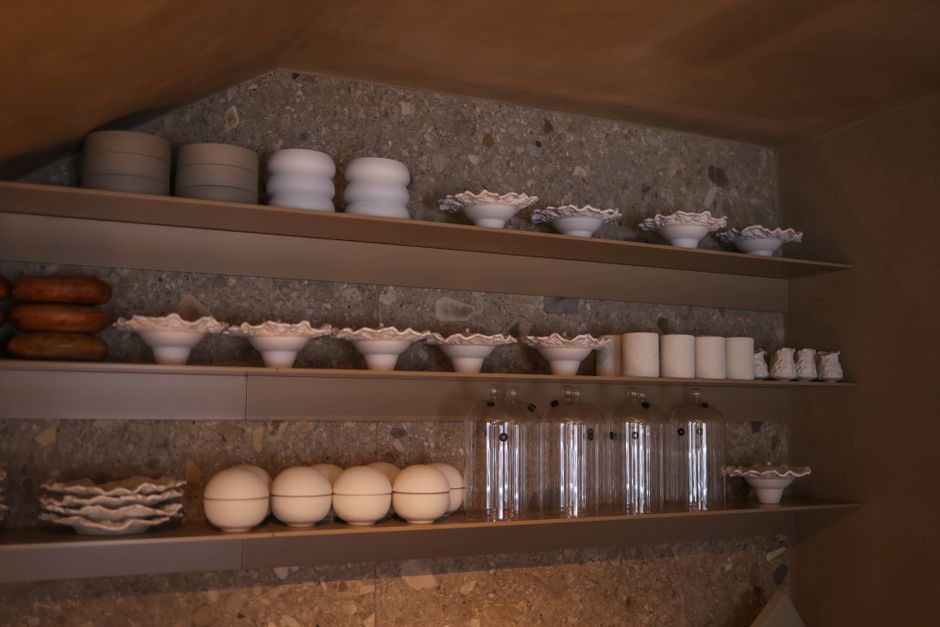
Styling open shelves combines functional storage with deliberate visual composition. A practical approach is to coordinate a color palette across shelf contents, using dishes, containers, and textiles that share similar tones. Consistency in color helps tie together items of different shapes and sizes, creating a unified display.
Varying height and texture adds depth to the arrangement. Tall canisters, stacked bowls, and small plants can be placed at different levels to produce a staggered profile. Mixing materials such as ceramic, wood, glass, and woven fiber introduces tactile variety without disrupting the overall palette. Decorative objects can be interspersed with everyday items to soften the purely utilitarian character of kitchen storage.
Arrangements do not need to remain static. Small adjustments, such as swapping a few pieces, relocating cookbooks, or adding seasonal accents, can refresh the display without requiring a full redesign. The underlying aim is a functional setup that can adapt to changing needs while preserving a comfortable and inviting appearance. Methodical planning and periodic adjustment support both the practical and aesthetic functions of open shelving.